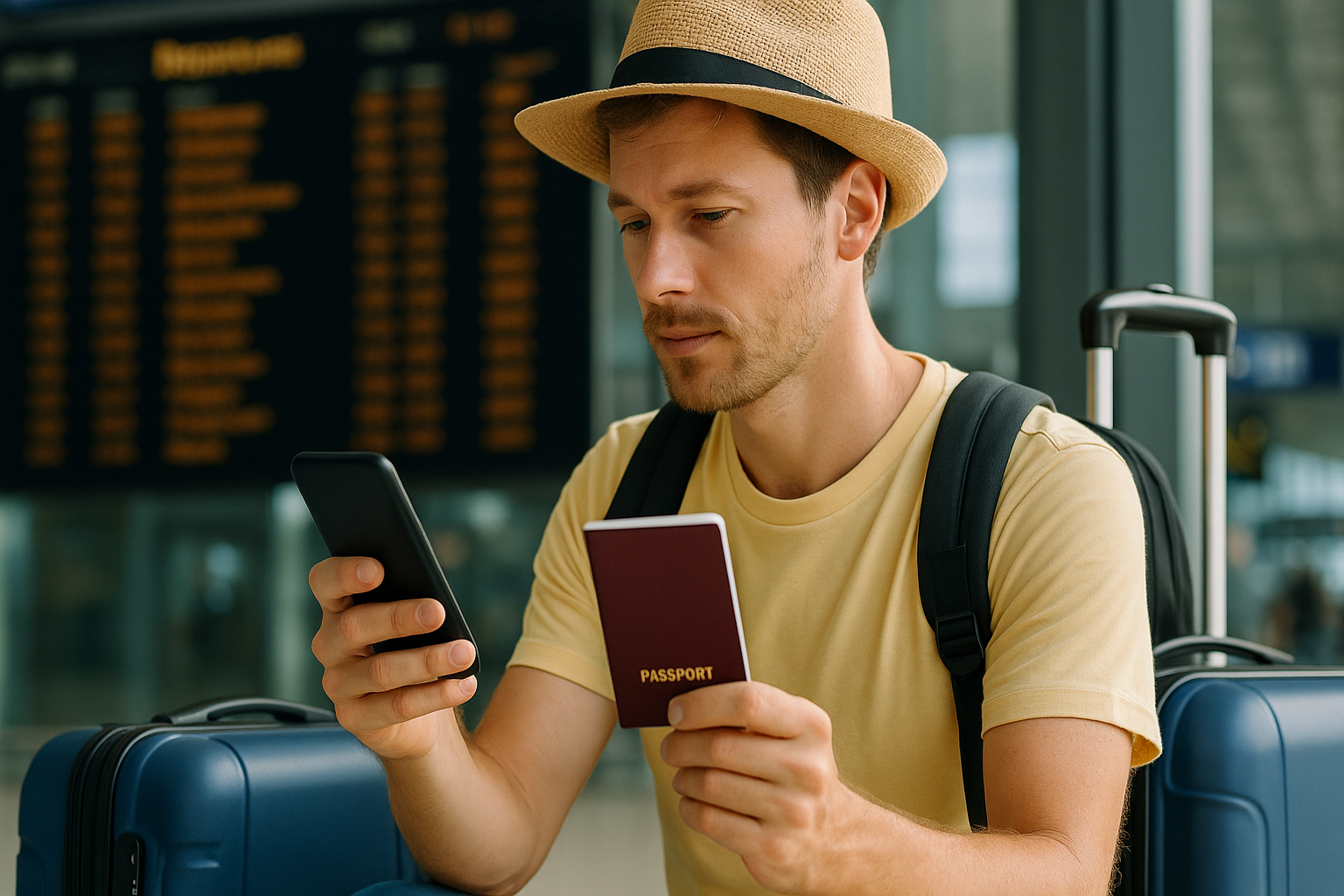
Southeast Asia is a region of contrasts. Singapore operates like a developed European country, in Vietnam some transactions are still cash-based, in the Philippines GCash dominates. A few words about each country.
Singapore
Cards are accepted everywhere. Apple Pay/Google Pay are standard. PayNow is the local QR standard for P2P transfers (but not critical for tourists). Virtual cards work almost everywhere. Opening a bank account without an Employment Pass (EP) or residency is nearly impossible. Wise works well.
Thailand
In major cities (Bangkok, Phuket) cards are widely accepted. On smaller islands and in traditional cafes, cash is king. PromptPay is the local QR standard; in tourist areas it is often QRIS-compatible. Virtual cards work in most places. Withdrawing cash incurs a fee of 220 baht per transaction at many ATMs, which is noticeable.
Vietnam
Cash-based economy. In large hotels and Western restaurants, cards are accepted; on the street, in local cafes, on Grab and Be, cash or local wallets are used. MoMo and ZaloPay are the dominant wallets. For tourists, connecting to them is difficult (requires a Vietnamese phone number). Cash (dong, VND) is the default solution.
ATM withdrawal fees are 50,000–100,000 VND. Withdrawal limits are low (2–3 million VND per transaction).
Malaysia
Card-friendly. Kuala Lumpur and major cities accept cards everywhere. Touch 'n Go eWallet is the dominant local wallet. Virtual cards work in most places. Opening a bank account for non-residents is possible at Maybank or CIMB with MM2H (Malaysia My Second Home), but difficult without it.
Indonesia (Bali and Jakarta)
See separate post about Bali. In brief: cards in large establishments, QRIS is the local standard, cash for street cafes.
Philippines
In major cities (Manila, Cebu) and tourist areas (Boracay, El Nido), cards are widely accepted. GCash is the dominant local wallet. For tourists, connecting is difficult (requires a Philippine ID). Virtual cards work in large establishments; on the street, cash (peso) is used.
Cambodia
Part of the economy operates in US dollars. Prices are often in both currencies. Change is often given in dollars (worn $1, $5) and riel for small amounts. Cards are accepted in large hotels and Western establishments. On the street, cash in USD.
Laos
Cash-based economy. Kip (LAK), dollars, and baht are in use. Cards are accepted only in the largest hotels. Cash is mandatory.
General Rules for the Region
- Carry cash. Even in card-friendly countries, a card may not work at a critical moment. $100–200 in your pocket is insurance.
- Virtual card + physical card. Use a virtual card for large expenses, and a physical card (debit or credit) for ATM withdrawals and places where virtual cards are not accepted.
- Multiple BINs. If you can issue virtual cards with several BINs, it is convenient. Different BINs may be declined in different countries.
A virtual card in 2 minutes
Pay for subscriptions, AI tools, travel, and international stores. Top up via USDT-TRC20 with no acquiring fees.