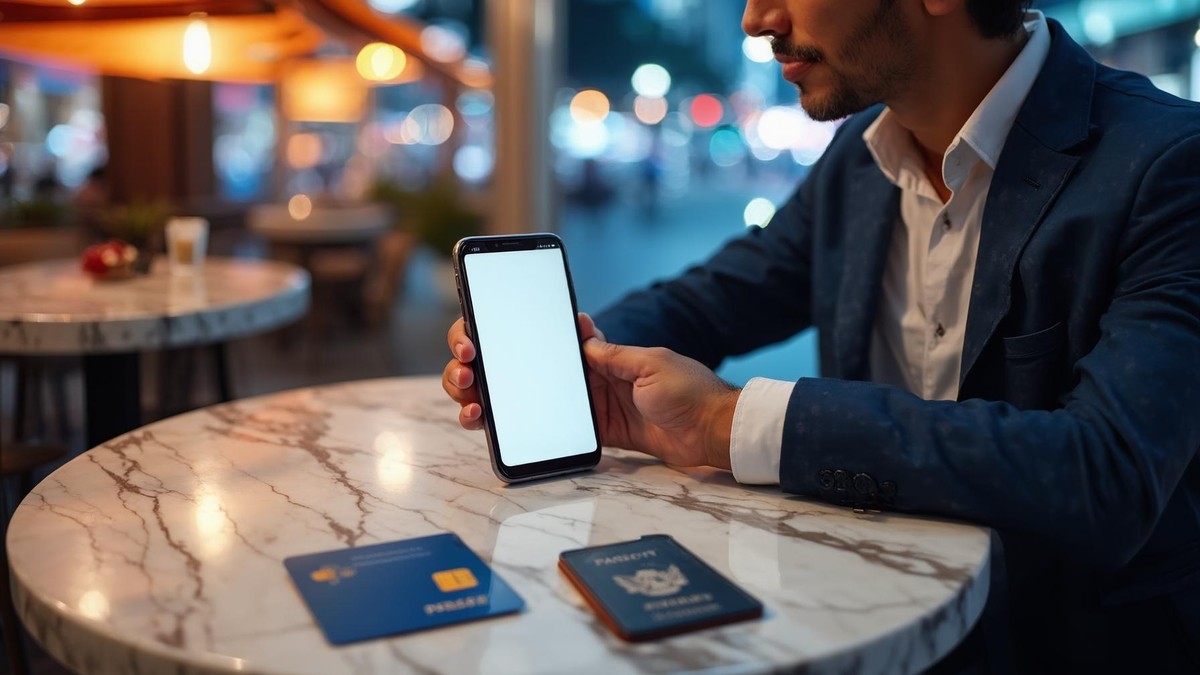
Thailand may seem like a country where everything is handled by phone, but on the ground you quickly find out: cards aren't convenient everywhere, QR payments are often tied to local banks, and cash still saves the day at small cafes and on the islands.
Where cards usually work
- Chain hotels and large apartments readily accept international cards, but may place a hold for the deposit.
- In shopping malls, supermarkets, and chain coffee shops, terminals are common.
- Grab and some delivery services are better set up in advance with a separate card with a low limit.
Where it's best to have a backup
- At markets, street food stalls, small massage shops, and boat operators, they usually ask for cash in baht.
- On the islands, there may be a terminal, but the connection sometimes fails, so payment may not go through on the first try.
- ATMs charge a local fee, so withdrawing very small amounts is usually not cost-effective.
How to prepare your card
- Enable online payments and check 3DS before your trip, not at the check-in counter.
- Keep a separate limit for hotel deposits so the hold doesn't interfere with regular spending.
- Save receipts for deposits and refunds, especially if you change hotels every few days.
Conclusion
The most stress-free option for Thailand: one card for bookings, some cash for everyday small purchases, and notifications for every transaction.
Always check the current rules of the specific service, availability in your region, and applicable legal requirements before paying. This material is for informational purposes only.
Payment guides
- Disneyland Goes Cashless: How to Pay Without Physical Cards or Cash
- Payment for AI Service Failed: A Calm Checklist Without the Rush
- How to Check a Card BIN Before Making an Important Payment
VirtCardPay
A virtual card in 2 minutes
Pay for subscriptions, AI tools, travel, and international stores. Top up with USDT or TON.
This material is for informational purposes only and is not financial advice. Data and service terms may change, so check primary sources before making a payment or investment decision. Mentions of third-party brands and services do not imply official partnership, support, or endorsement by VirtCardPay; partner platforms are marked with a “Partner” badge.
Back