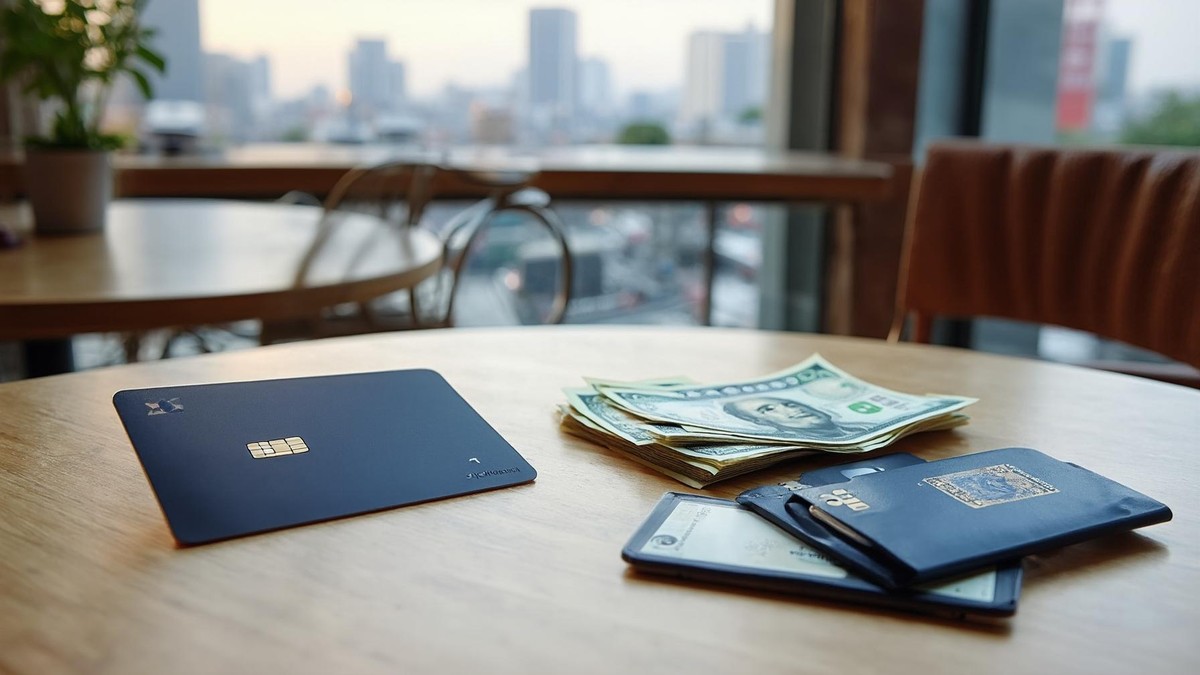
Во Вьетнаме легко привыкнуть к приложениям для такси и доставки, но платежная реальность все равно смешанная. В Хошимине и Ханое картой жить проще, в маленьких городах наличные решают больше.
Основные сценарии
- Отели и крупные туроператоры обычно принимают карты, иногда с небольшой наценкой за эквайринг.
- Grab, eSIM и билеты удобнее оплачивать онлайн, чтобы не искать банкомат после прилета.
- Кафе для местных, стритфуд и небольшие магазины чаще работают через наличные или локальные QR.
Почему платеж может отклониться
- Сервис может проверять карту маленьким списанием или холдом.
- Некоторые терминалы плохо дружат с иностранными картами, особенно вне туристических районов.
- Иногда банк или сервис просит повторное подтверждение, а роуминг для SMS уже не работает.
Чек-лист перед поездкой
- Настройте приложение карты так, чтобы видеть пуши без SMS.
- Пополните карту с запасом на первую неделю, но не держите на ней весь бюджет.
- Проверьте, как быстро поддержка отвечает по спорной операции или возврату.
Вывод
Во Вьетнаме карта хороша как основной инструмент для цифровых расходов, а наличные остаются нормальным рабочим слоем для повседневности.
Перед оплатой всегда проверяйте актуальные правила конкретного сервиса, доступность в вашем регионе и применимые требования законодательства. Материал носит информационный характер.
Гайды по оплате
- Disneyland отказывается от наличных: как платить без физических карт и кэша
- Платеж за нейросервис не прошел: спокойный список проверок без суеты
- Полный гайд по туристической страховке для сложных ситуаций
VirtCardPay
Виртуальная карта за 2 минуты
Оплачивайте подписки, AI, travel и зарубежные магазины. Пополнение USDT, TON или рублями по СБП.
Материал носит информационный характер и не является финансовой рекомендацией. Данные и условия сервисов могут меняться, поэтому перед оплатой или инвестиционным решением проверяйте первоисточники. Упоминание сторонних брендов и сервисов не означает официальное партнёрство, поддержку или одобрение VirtCardPay с их стороны; площадки-партнёры отмечены плашкой «Партнёр».
Назад