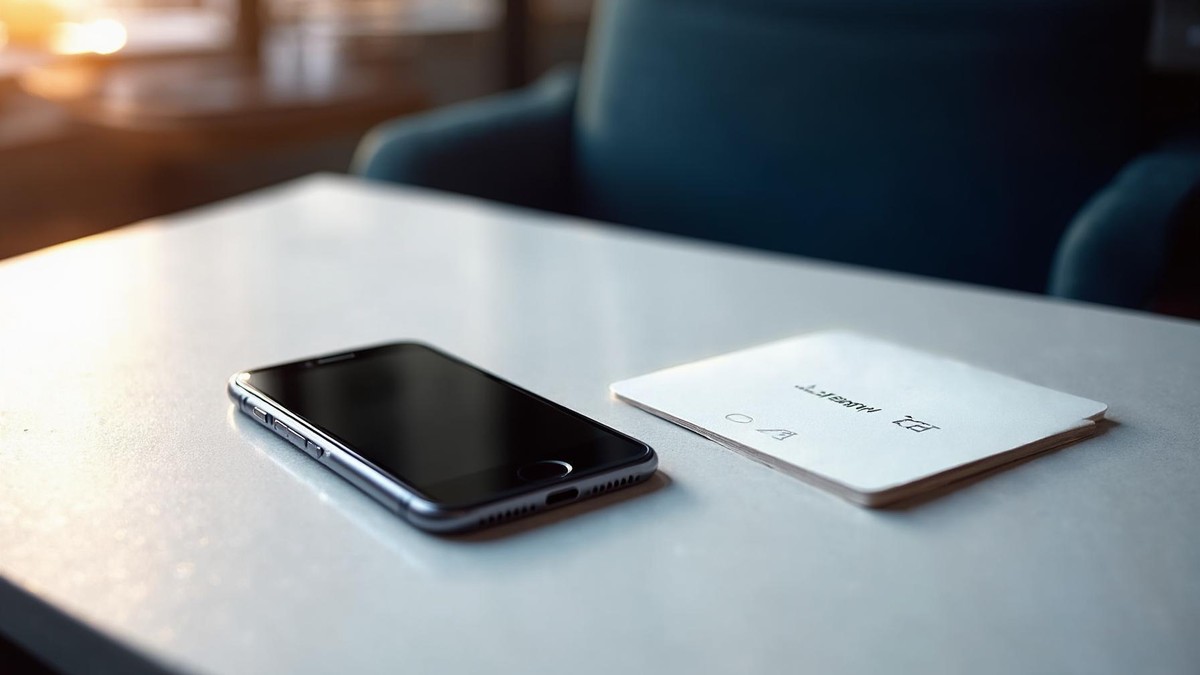
В Сеуле легко забыть про наличные: терминалы есть почти везде. Сложности начинаются там, где нужен локальный номер, корейская карта или верификация внутри приложения.
Офлайн обычно проще
- Кафе, магазины, метро, музеи и косметические сети чаще всего принимают карты.
- Бесконтактная оплата может зависеть от конкретного терминала, поэтому физические реквизиты лучше иметь под рукой.
- В маленьких местах иногда просят вставить карту, а не прикладывать телефон.
Онлайн не всегда очевиден
- Локальные приложения доставки и бронирований могут требовать корейский телефон или местную платежную схему.
- Иностранные карты лучше работают в международных сервисах и крупных агрегаторах.
- Если платеж не прошел, причина не всегда в балансе, иногда сервис просто не принимает такой тип карты.
Практичный подход
- Заранее оплатите eSIM, первые бронирования и трансфер через знакомые международные сервисы.
- Поставьте лимит на карту для приложений, где вы пробуете оплату впервые.
- Не удаляйте подтверждения отказов, они помогают поддержке быстрее понять ситуацию.
Вывод
Корея удобна для карт, но локальная цифровая экосистема живет по своим правилам. Лучше иметь план Б для приложений.
Перед оплатой всегда проверяйте актуальные правила конкретного сервиса, доступность в вашем регионе и применимые требования законодательства. Материал носит информационный характер.
Гайды по оплате
- Пробные периоды и подписки: как виртуальная карта помогает не платить по забывчивости
- Как проверить BIN карты перед важной оплатой
- Как создать виртуальную карту VirtCardPay: пошаговая инструкция
VirtCardPay
Виртуальная карта за 2 минуты
Оплачивайте подписки, AI, travel и зарубежные магазины. Пополнение USDT, TON или рублями по СБП.
Материал носит информационный характер и не является финансовой рекомендацией. Данные и условия сервисов могут меняться, поэтому перед оплатой или инвестиционным решением проверяйте первоисточники. Упоминание сторонних брендов и сервисов не означает официальное партнёрство, поддержку или одобрение VirtCardPay с их стороны; площадки-партнёры отмечены плашкой «Партнёр».
Назад