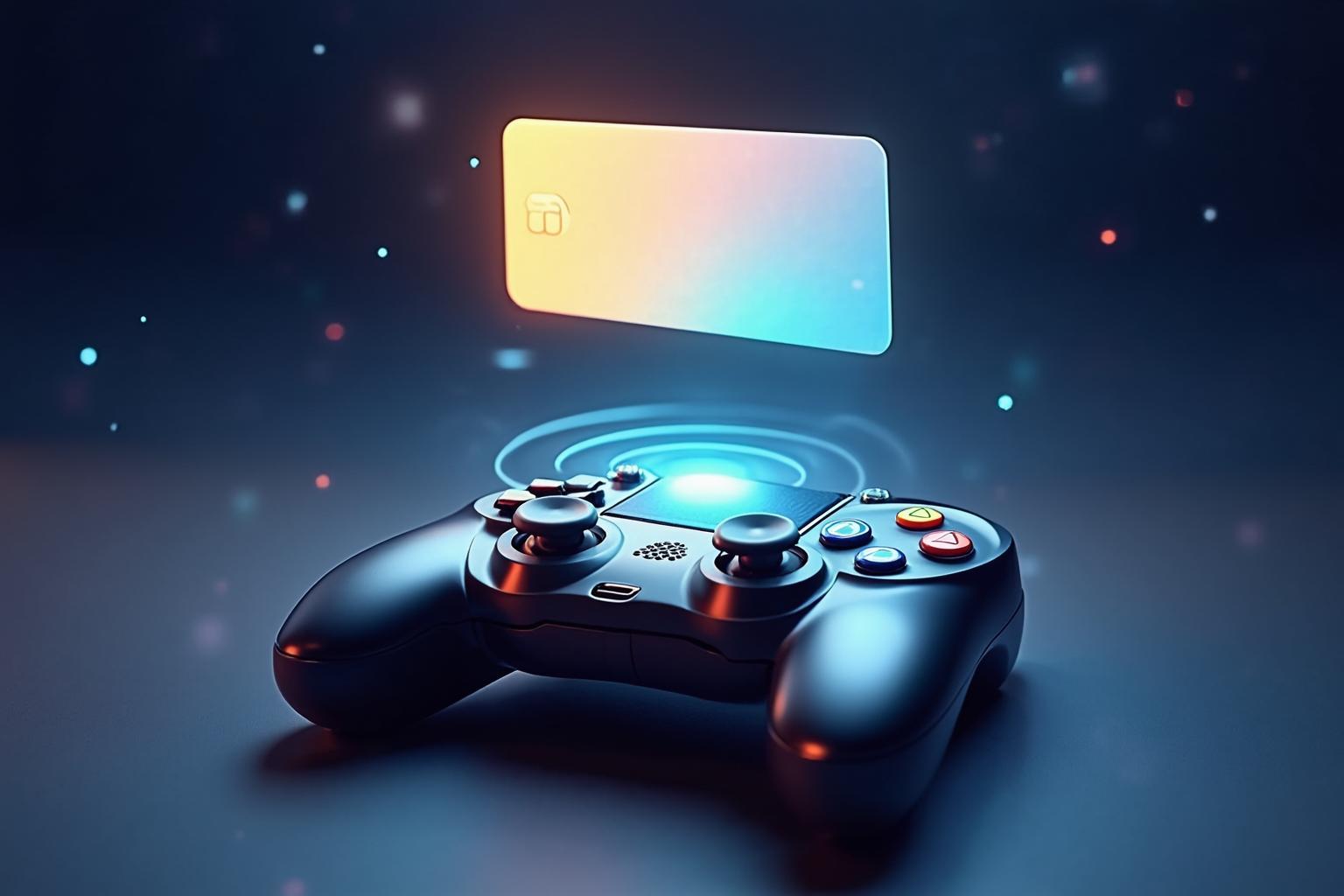
Typing in card details by hand is the most annoying step of any purchase in a console store. Judging by a fresh patent filing, Sony wants to remove it: a PlayStation controller would read payment data straight from a card or smartphone placed nearby. The filing is titled "Video Game Controller-Driven Information Transfer."
How it would work
The idea is simple: the controller gets a contactless reading module — essentially the same NFC principle used in tap-to-pay cards and phones running Apple Pay or Google Pay. The player holds a card or phone up to the gamepad, which reads the payment credentials and passes them to the console. From there, a PlayStation Store purchase happens without manually entering 16 digits, an expiry date and a CVV.
What it changes in practice
- Less friction at checkout. One gesture instead of typing credentials means fewer abandoned carts at the payment step.
- Cards tied to the console. If the scheme ships, the console becomes one more place where payment data is stored or used — and the bar for protecting it goes up.
- A bet on mobile payments. The patent describes reading data from both a card and a phone, so Sony is keeping the smartphone-wallet scenario in mind.
Careful: this is just a patent
One key point that is easy to miss behind a loud headline: a patent application is not a product announcement. Companies file dozens of ideas that never reach store shelves. There are no launch dates, supported console models or card lists in the filing — only a description of the mechanic.
A patent locks in an idea and a priority date, not a promise to ship a feature. Between the filing and a working "pay" button on a gamepad, years may pass — or it may never leave the paper stage.
Why this matters if you pay for overseas services
Game stores are one of the most common spending categories for virtual card holders: regional pricing, subscriptions, in-game purchases. The more easily payments are built into the console itself, the more likely users are to pay with the card linked to their account rather than looking for workarounds. For anyone paying with a virtual card, that means one thing: the credentials tied to your PlayStation account should stay current and funded — manual entry on every purchase may become a thing of the past.
It is too early to draw conclusions about timing, but the direction is clear: platforms want to take card entry out of the buying process. Watching patent news is worth it, if only to understand ahead of time how payment methods in your favorite services will change.
A virtual card in 2 minutes
Pay for subscriptions, AI tools, travel, and international stores. Top up via USDT-TRC20 with no acquiring fees.