Введение
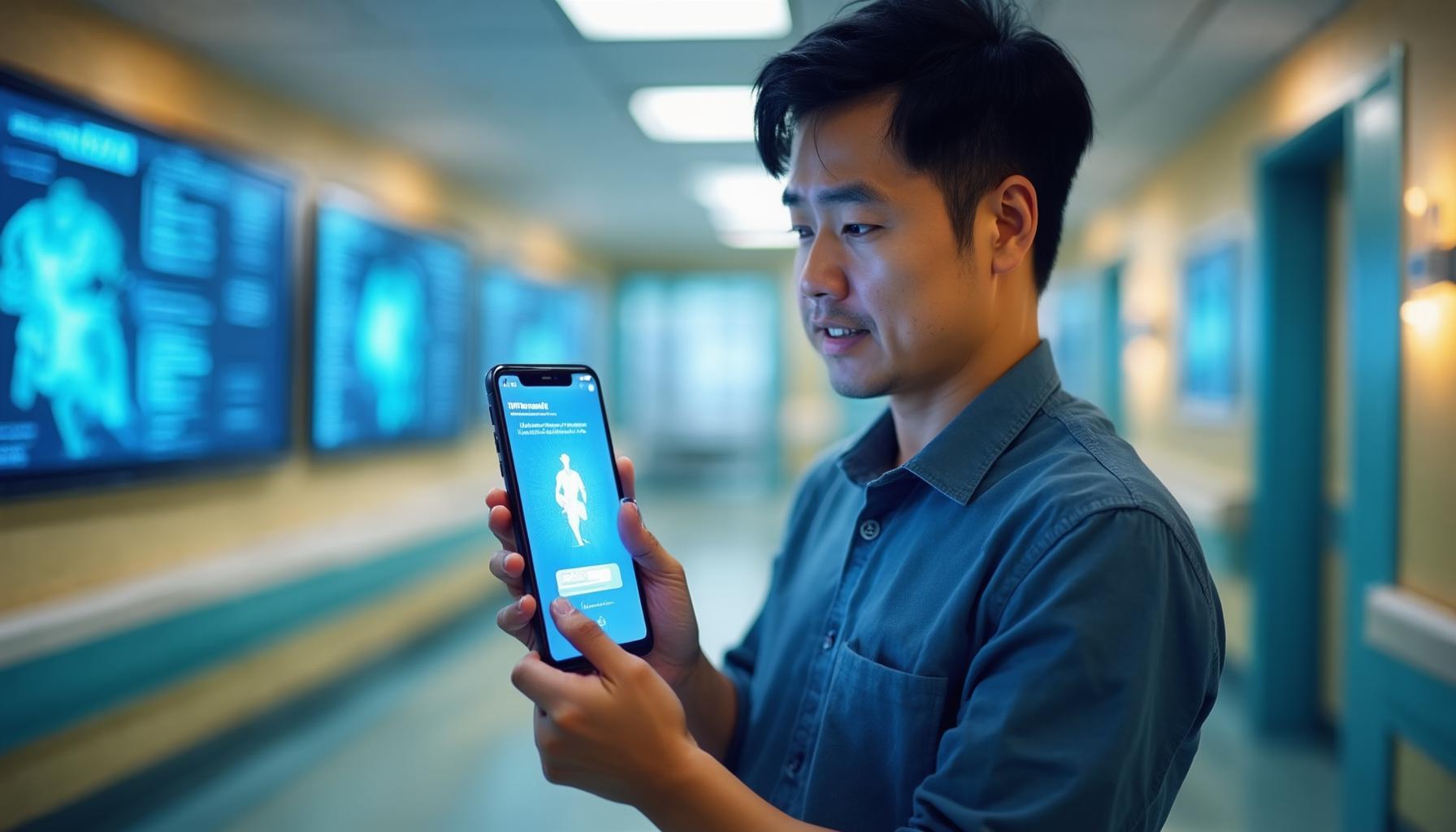
Недавний отчёт из Кении (Lex Machina Kenya, май 2026) показал, как уязвимость персональных данных может быть использована в AI-разработках без согласия владельцев. Хотя история касается здравоохранения, она напрямую связана с безопасностью цифровых платежей и криптовалют. В этом гайде мы разберём, как защитить свои данные при использовании виртуальных карт.
Шаг 1: Понимание рисков
В Кении данные пациентов использовались для обучения AI-моделей без должного контроля. Аналогичная ситуация возможна и в финтехе: утечка данных карты или криптокошелька может привести к несанкционированным транзакциям. Всегда проверяйте, какие данные запрашивает сервис.
Шаг 2: Используйте одноразовые виртуальные карты
Для платежей в ненадёжных сервисах используйте виртуальные карты с лимитами или одноразовые номера. Это минимизирует ущерб при возможной утечке.
Шаг 3: Контролируйте доступ к данным
Не давайте разрешения на сбор лишних данных. В крипто-кошельках и картах отключайте опции автоматического списания.
Шаг 4: Регулярно меняйте пароли и используйте 2FA
Двухфакторная аутентификация — обязательна. Используйте аппаратные ключи или приложения-аутентификаторы, а не SMS.
FAQ
Вопрос: Могут ли мои данные с виртуальной карты быть использованы для AI?
Ответ: Если сервис собирает данные о транзакциях, теоретически да. Поэтому выбирайте провайдеров с прозрачной политикой конфиденциальности.
Вопрос: Что делать, если данные утекли?
Ответ: Немедленно заблокируйте карту, смените пароли и обратитесь в поддержку.
Вывод от VirtCardPay
История из Кении — напоминание: ваши данные — ваша собственность. Используйте инструменты с контролем доступа и одноразовыми реквизитами. Будьте внимательны.
Дисклеймер: данный материал носит информационный характер и не является финансовой рекомендацией.
Гайды по оплате
- Как защитить свои видео от обучения ИИ и получать за них деньги
- Как оплатить билеты Delta в Краков из Портленда: тарифы от $714 и оплата виртуальной картой
- Пробные периоды и подписки: как виртуальная карта помогает не платить по забывчивости
Виртуальная карта за 2 минуты
Оплачивайте подписки, AI, travel и зарубежные магазины. Пополнение USDT, TON или рублями по СБП.