Not long ago, "paying with Bitcoin" sounded like a promise from the future: you could buy the coin, hold it and watch the chart, but spending it at a regular store or online service was nearly impossible. That has changed — Lightning payments, QR codes and acceptance terminals have made BTC a working tool. Here is a step-by-step walkthrough from installing a wallet to confirming a payment, plus what to watch so you don't lose money on fees and mistakes.
Step 1. Pick a wallet that fits the job
The first question isn't "which wallet is best" but "what are you going to do with it". For everyday payments, Lightning wallets are the natural fit: they are built for fast transactions with minimal fees. For larger sums and long-term holding, a hardware or non-custodial wallet makes more sense, since the keys stay with you.
- Custodial — the service holds the keys, you log in. Convenient, but you trust a third party with your funds.
- Non-custodial — you hold the keys, with full control and full responsibility for keeping them safe.
- Lightning — a separate layer on top of Bitcoin for instant micropayments.
Step 2. Set up the wallet and secure access
During setup you get a seed phrase — a set of words that restores access to your funds. It is not a password you can reset through support: lose the phrase and you lose the coins. Write it down on paper or metal and store it where nobody but you can reach it.
Separately, protect the app itself: PIN, biometrics, and for larger amounts a hardware wallet. Never keep your seed phrase in the cloud, in messengers or in phone notes.
Step 3. Check whether the merchant accepts Bitcoin
Payment methods differ, and it matters to know this before you reach the checkout:
- Direct BTC acceptance — the merchant shows an address or QR code, you pay from your wallet.
- Lightning — for small amounts: the payment clears in seconds, the fee is minimal.
- Through a payment processor — the service accepts crypto and settles with the merchant in fiat. Many online stores and subscriptions work this way.
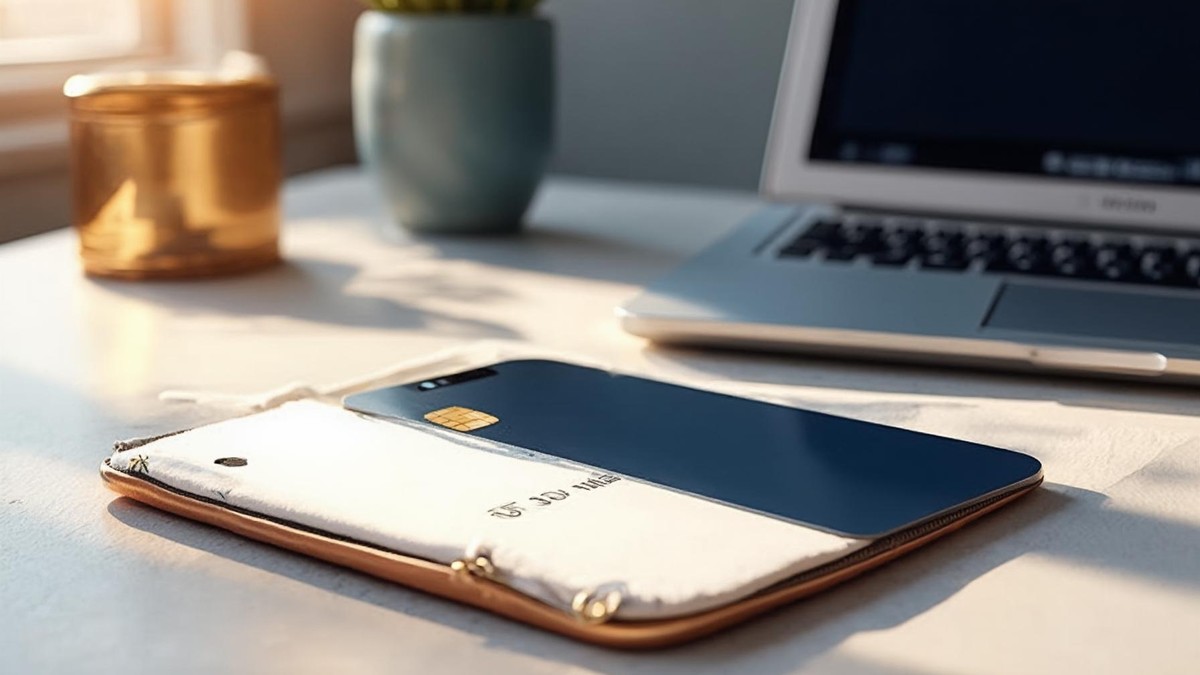
If you're paying for an overseas subscription that doesn't accept Bitcoin directly, a virtual card is often the more practical route — the same idea of paying with digital money, but without volatility and with a clear spending limit.
Step 4. Build the payment
At the checkout or in the merchant's interface, choose Bitcoin and scan the QR code or copy the address. Key points:
- Double-check the amount and the address — blockchain transactions are irreversible.
- Check whether the network fee is included in the total or charged on top.
- For Lightning, make sure your wallet supports that type of invoice.
Step 5. Confirm and wait for settlement
Once sent, the payment enters the mempool — the queue of transactions. On the Bitcoin network, confirmation takes roughly ten minutes per block on average, but it stretches when the network is congested. Lightning payments settle almost instantly.
The rule is simple: the more urgent the payment, the more important it is to choose the right method and fee in advance — you can't speed up a transaction after the fact without extra cost.
What this means in practice
Bitcoin as a payment method is no longer exotic, but it comes at a price: volatility and irreversible transactions. For recurring payments to overseas services, subscriptions and online purchases, stablecoins or virtual cards are more predictable — the amount is known in advance and disputed charges can be challenged. Bitcoin wins where speed, the absence of intermediaries and cross-border reach matter most.
FAQ
Do I owe taxes on purchases made with Bitcoin?
In most jurisdictions, spending crypto counts as disposing of an asset, and tax obligations depend on local law. Check the rules in your country.
Can a Bitcoin payment be reversed?
No. A blockchain transaction is irreversible — it cannot be cancelled or refunded without the recipient's consent.
What if I sent coins to the wrong address?
Funds can only be returned with the recipient's cooperation. If the address belongs to an exchange or service, try their support — but there are no guarantees.
Bitcoin or Lightning for everyday purchases?
For small amounts and fast payments, use Lightning. For larger transfers, use the main network with a carefully chosen fee.
This material is for informational purposes only and is not investment advice. Cryptocurrencies are volatile and transactions are irreversible — make decisions with that in mind.
A virtual card in 2 minutes
Pay for subscriptions, AI tools, travel, and international stores. Top up via USDT-TRC20 with no acquiring fees.