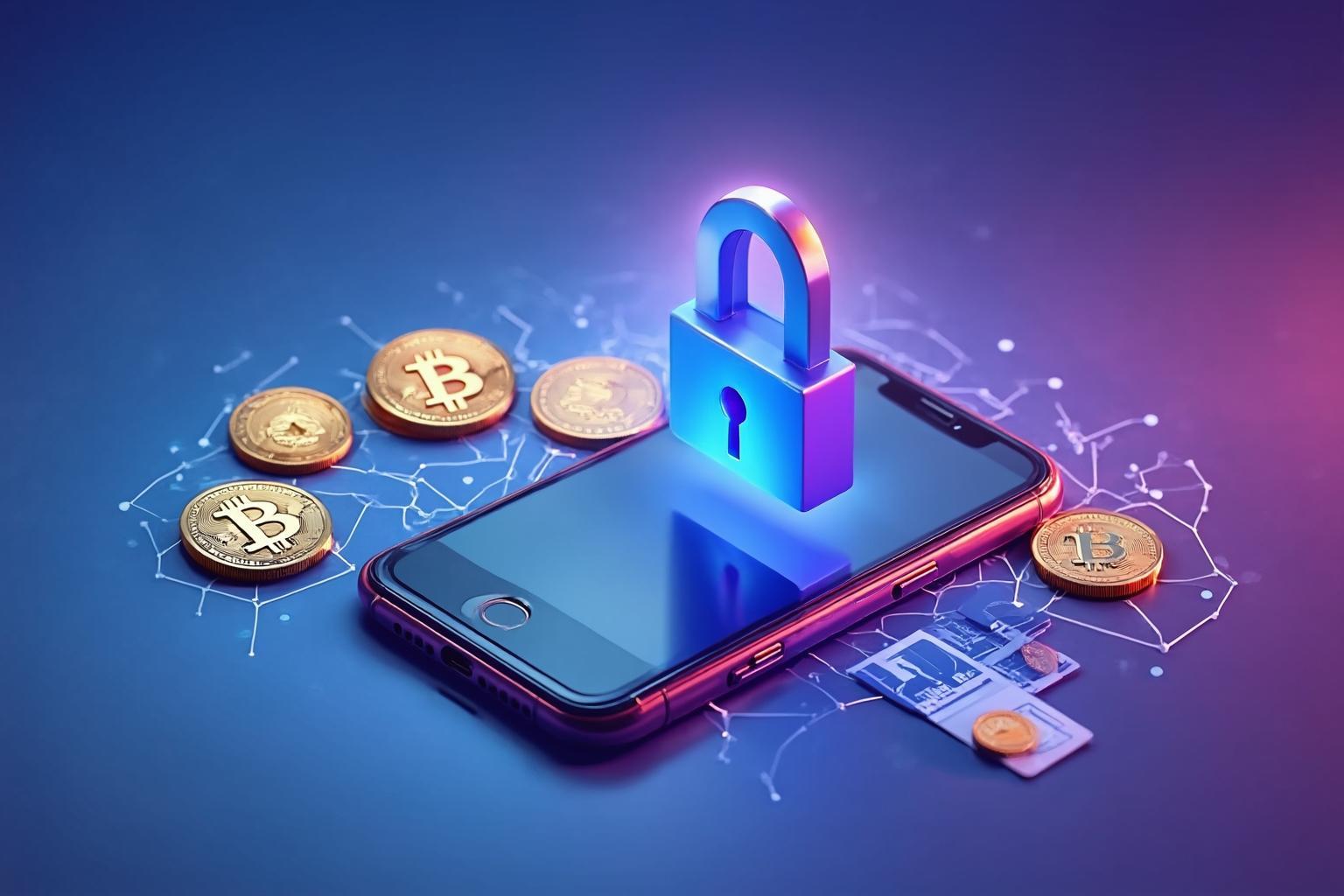
A hot wallet is connected to the internet. A cold wallet is isolated from the network. That's the entire difference in concept, but it creates completely different risks and completely different conveniences.
Hot: For Day-to-Day Operations
These are software wallets on your phone or computer: MetaMask, Trust Wallet, Phantom, Rabby. Their strength is speed and DeFi support. Their weakness is accessibility to an attacker. If malware gets onto your phone, you visit a phishing site, or your seed phrase leaks — funds are gone in seconds, no bank confirmations.
So the rule is simple: keep in a hot wallet only what you are prepared to lose. Roughly, an operational balance for 1-2 weeks of activity.
Cold: For the Bulk of Your Funds
These are hardware wallets (Ledger, Trezor, Keystone) or multisignature setups. Transaction signing happens on a device that has never been connected to the internet. It cannot be infected remotely.
A cold wallet does not make crypto invulnerable — you can still lose it, forget the PIN, or damage it. But it protects against 90% of attacks that catch holders: phishing, drainers, browser drainer extensions, fake dApps.
Where to Draw the Line
A universal guideline: on hot — no more than you would not mind losing. For some that's $50, for others $5,000. The key is to consciously set that threshold and not top up beyond it.
For large transactions and long-term holds, a combination makes sense: the bulk in cold, an operational wallet in hot, with manual transfers between them as needed. This takes 5 minutes but eliminates a whole class of problems.
What Does Not Work as Protection
Storing your seed phrase password in the cloud is not cold storage — it's very convenient hot storage. The same goes for a photo of your seed on your phone, exporting to a cloud password manager, or a paper with the phrase on your desk. From an attacker's perspective, all of this is equally accessible.
A virtual card in 2 minutes
Pay for subscriptions, AI tools, travel, and international stores. Top up via USDT-TRC20 with no acquiring fees.